How RPG Games and Life Simulation Games Merge to Redefine Gaming Experiences
The Artful Dance: RPGs and Life Simulations
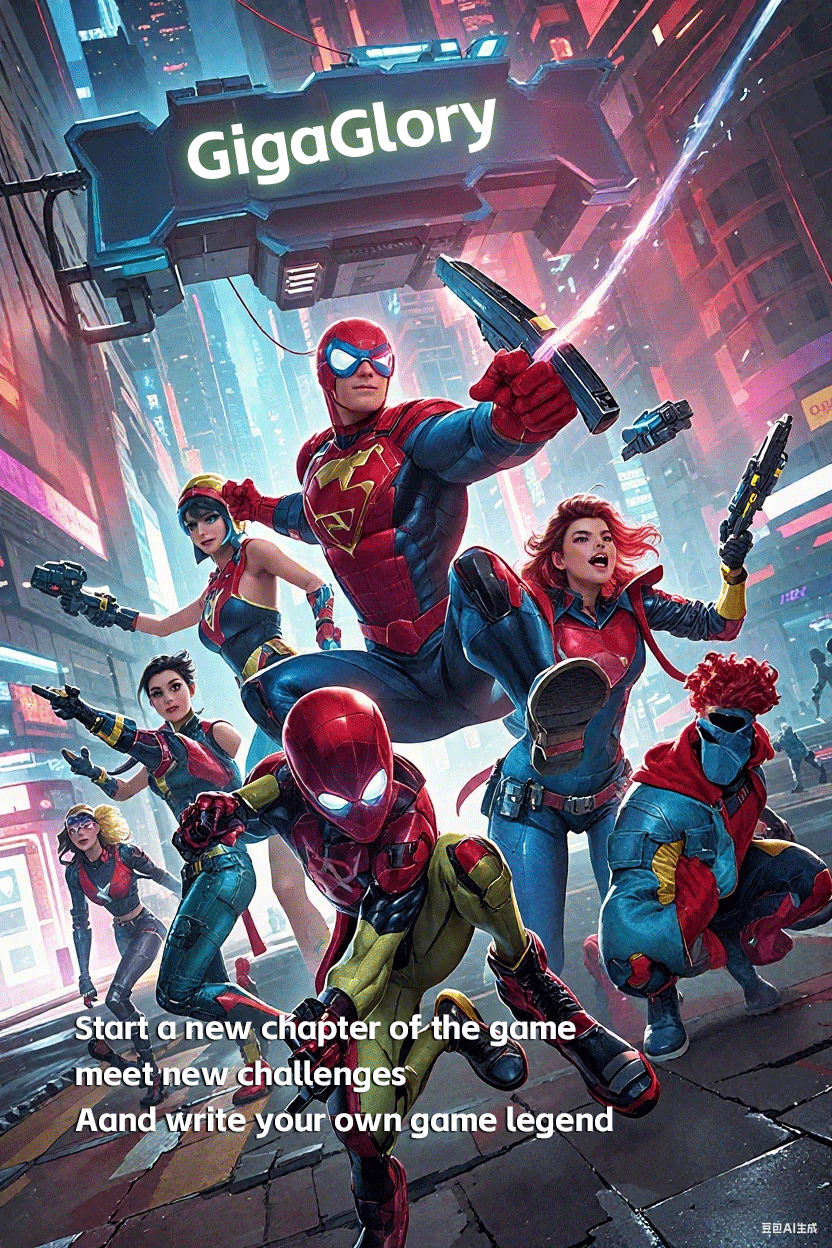
Within the vibrant tapestry of gaming, RPG (Role-Playing Game) and life simulation genres stand out, weaving intricate experiences that resonate deeply with players. These games, like emotional brush strokes on a digital canvas, create worlds where the boundaries of reality blur. The merging of these genres brings forth a unique gaming experience, breathing life into storylines and character development.
Characters with Depth and Choices that Matter
RPGs have long been celebrated for their character progression and immersive narratives. Players are thrust into roles where choices impact the unfolding story. On the other hand, life simulation games—like "The Sims"—invite players to shape the daily lives of avatars, managing everything from relationships to careers. This beautiful blend invites a fresh dimension where each character's journey is customized and molded, making every decision feel significant.
A Symphony of Gameplay: Embracing Freedom
Imagine wandering through a bustling digital town, engaging in quests while nurturing relationships. This scenario becomes more tangible when RPG mechanics are layered into life simulation games, offering players an enticing promise of freedom. No longer are players mere spectators; they author their experiences. In this realm, a wanderer’s aimless exploration might lead to a quest that unfolds just around the corner.
The Role of Realism in Gameplay
One cannot overlook the importance of realism in modern gaming. Real-life scenarios immerse players further, evoking emotions that stick long after hands leave the controller. Life simulation games often mimic the nuances of human experience, from career choices to social interactions. By intertwining these elements with the quests and lore of RPGs, players are invited to engage in more lifelike storytelling.
Character Customization: A Canvas for Self-Expression
The heart of many gaming experiences lies within character customization. The opportunity for players to mold avatars into extensions of themselves enhances connection. This fusion creates avenues where bartering personality traits and background stories can radically change one's gaming experience. Each avatar can evolve through interactions and decisions, echoing our own life's evolution.
Table: Key Features of Merging RPGs and Life Simulations
| Feature | RPG Games | Life Simulation Games | Merged Experience |
|---|---|---|---|
| Character Progression | ✔️ | ❌ | ✔️ |
| Realism | ❌ | ✔️ | ✔️ |
| Questing | ✔️ | ❌ | ✔️ |
| Relationship Management | ❌ | ✔️ | ✔️ |
Weaving Narratives: Storytelling in Games
The narrative potential of this merger is profound. While RPGs often explore epic tales fraught with conflict and adventure, life simulation games focus on the minutiae of human interaction. Together, they craft a sprawling narrative, one that can range from the trivial joys of everyday life to grand quests filled with peril.
Engagement in Real-Time: Events that Surprise
Players thrive on surprises. By blending active narrative play with life simulation elements, gaming becomes more dynamic. Picture an unexpected festival in the heart of a digital city, where quests arise not just from initial interactions but from living, breathing worlds. The ability to respond to spontaneous events enhances immersion.
The Social Aspect: Community and Cooperation
Additionally, the community's social fabric grows stronger when these games intertwine. The rise of online multiplayer RPGs has shown us the power of shared experiences, and life simulation games tap into this too. Players can forge relationships, trade items, and help guide each other through quests, collectively shaping their gaming universe.
Key Takeaways from Merging Genres
- Depth of Characters: Combine progression with real-life scenarios for richer experiences.
- Enhanced Realism: Ground stories in tangible realities that reflect players' lives.
- Rich Narratives: Fuse epic background tales with the simplicity of everyday life.
- Community Building: Social dynamics are heightened through shared experiences and interactions.
The Pitfalls: Navigating Potential Crashes
Of course, no gaming experience is without its hurdles. Technical issues like "FIFA 22 crashes after match" remind us of the fragility of digital landscapes. Developers must tread carefully to ensure that innovations in gameplay don't lead to destabilized experiences. Striking the right balance is key; immersiveness mustn't come at the cost of losing stability.
Conclusion: Crafting Tomorrow’s Gaming Experiences
In summation, the merger of RPGs and life simulation games redefines what it means to play. It invites us to step into new roles, challenge our choices, and experience the complexities of life in diverse, vibrant worlds. This union of genres echoes the intricate scripts of our own existences, inviting every player to join this artful dance toward an engaging future. And as we embrace this evolution, one can't help but wonder what the future holds for the games we love.